Dating News
The Dating App Burnout Crisis: Why Modern Singles Are Swiped Out
21 May 2026
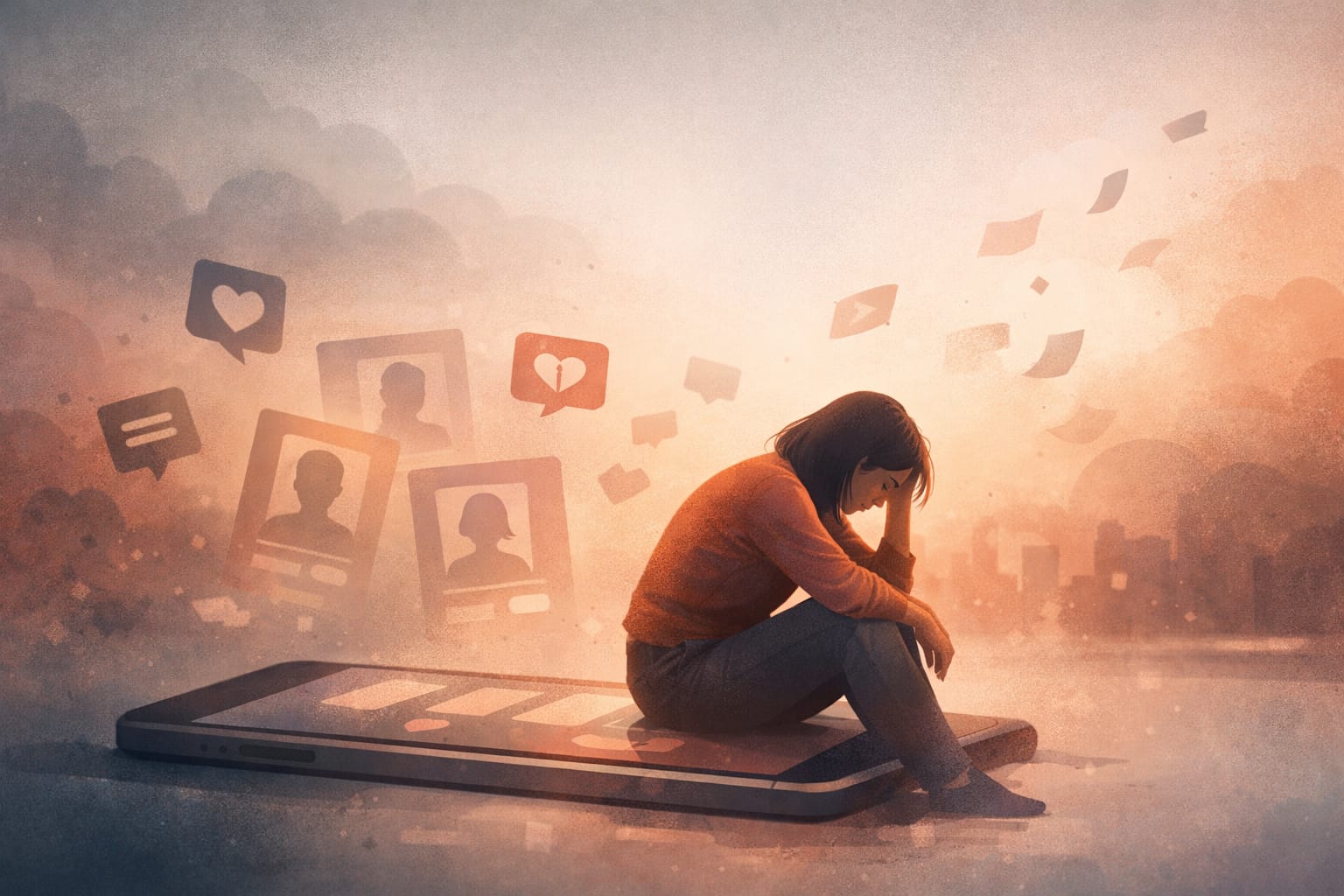
When did online dating stop being exciting and start feeling like a fresh start, and start feeling like a chore? For millions of singles, the answer lies somewhere between the hundredth swipe and the fiftieth ghosting. Over the past few years, large‑scale surveys and behavioural studies have shown that dating‑app burnout has shifted from a casual complaint to a widespread cultural issue affecting the majority of users.
Across multiple national surveys, around four out of five dating‑app users now report some form of emotional or mental exhaustion from the process. That’s not a niche frustration, that’s the mainstream experience. With the average user spending close to an hour a day swiping, the emotional return simply isn’t matching the time investment. Many people describe feeling drained, detached, or cynical after months of repetitive conversations and connections that go nowhere.
Psychologists and long‑term relationship researchers have been tracking this pattern for years. Their findings show a clear rise in emotional exhaustion the longer someone relies on swipe based platforms. Ghosting, deception, repetitive small talk, and the constant cycle of matches that fizzle out are some of the most common triggers. Over time, these small frustrations stack up, creating a sense of inefficacy, the feeling that no matter how much effort you put in, nothing meaningful comes out.
A major part of the problem comes down to design. Modern dating apps borrow heavily from gaming and social‑media mechanics, dopamine loops, reward cycles, and endless scrolling. These systems are built to maximise engagement, not connection. The more time users spend swiping, the more valuable they become to the platform. But that same engagement‑first design is what leads to emotional depletion, frustration, and eventually burnout.
Larger platforms have introduced features aimed at reducing fatigue, things like limited swipes, curated prompts, and improved safety tools. But industry analysts note that these changes don’t address the core issue: the business model still depends on keeping users active for as long as possible. High weekly churn rates across major apps suggest that people are cycling in and out faster than ever, often leaving because the experience feels overwhelming or unproductive.
Culturally, the shift is already happening. Younger generations are openly questioning the emotional cost of swipe based dating. Many are turning toward slower, more intentional ways of meeting, whether that’s through in‑person events, clearer intention setting, or platforms that prioritise meaningful interaction over volume. Others are stepping back from apps entirely in search of something that feels more human.
The question now isn’t whether dating‑app burnout is real, the research makes that clear. The real question is whether the industry will address the root causes or continue patching symptoms while users quietly burn out in the background.